
Anna Rosling Rönnlund
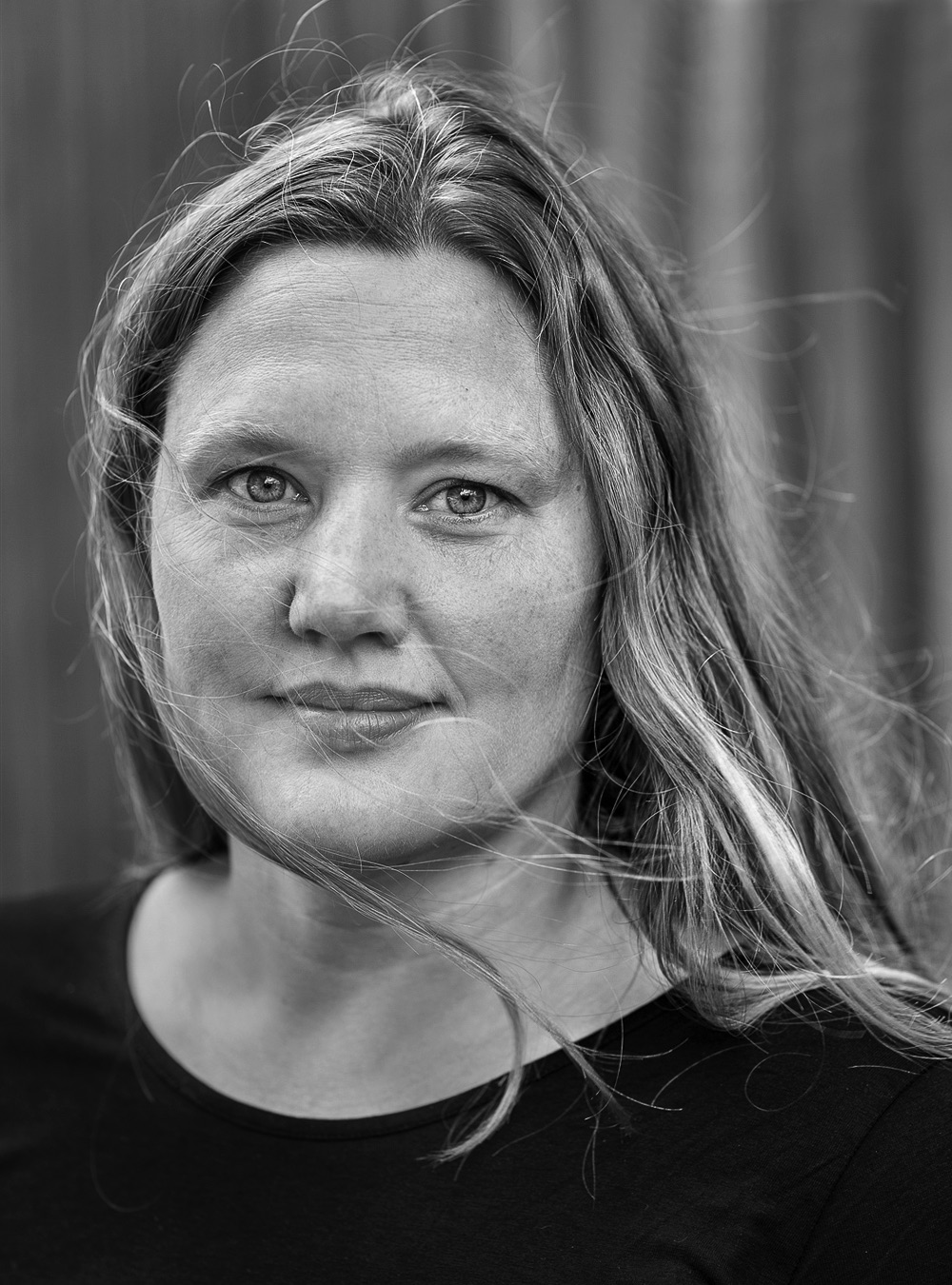
Anna Rosling Rönnlund is cofounder of Gapminder Foundation, an educational nonprofit that uses visual data to understand the world, coauthor of the 2018 book Factfulness, and an international public speaker.
How did you decide this was the career path for you?
Hans Rosling (my father-in-law), my husband, Ola Rosling, and I saw a gap between the data on global development and how people understood the world. We cofounded Gapminder in 2005 with a clear mission: to fight misconceptions about global development and make reliable statistics accessible to everyone. We saw how many people had a skewed view of the world, believing global poverty was rising or that most people lived in low-income countries. In reality, the world had made significant progress, but this wasn’t being communicated effectively. We wanted to change that. We develop free materials for everyone.
How did you get to where you are in your career, and what do you recommend to current students?
I recommend building a strong foundation in both demography and social sciences, while also developing data literacy and skills in data visualization. Being able not only to analyze but also to communicate complex trends in a clear, relatable way is essential. Learn to approach data critically, and stay open to insights from other fields like economics, sociology, and technology. But above all, follow your passion. If you have a passion for understanding the world and the forces shaping our future, this field is for you. Demography isn’t just about numbers—it’s about telling the story of humanity through data.
Describe some of your work. What do you consider to be your most important accomplishment(s)?
One of my most important achievements is creating tools that simplify complex topics and help organizations communicate more effectively. My goal is always to make facts more accessible and encourage a more curious and informed worldview. We developed the Trendalyzer software—our animated bubble charts—to make data more engaging, which became famous through Hans’s TED Talks. The tool caught Google’s attention, and they acquired it in 2007. We also created Dollar Street, a project where we photograph homes from different income levels to make global inequality relatable. Our other major initiative, the Worldview Upgrader, helps people test and update their understanding of global trends, correcting common misconceptions.
What do you see as the field’s most important contribution as well as its greatest challenge?
To truly understand the world, demography is key, as it reveals the patterns and dynamics that shape societies, economies, and global trends. By combining data with effective visual storytelling, Gapminder challenges misconceptions and helps people see the world as it truly is, rather than through distorted assumptions. One of the key challenges is to communicate complex data in a way that is both accurate and easy to understand, without oversimplifying. Finding the right balance between engagement and integrity is a constant challenge.
Lauren Bowers
Lauren Bowers is chief of the Population Estimates Branch in the Population Division at the U.S. Census Bureau.
How did you decide this was the career path for you?
I discovered my passion for demography while studying economics at Florida State University. During my coursework, Professor Carl Schmertmann introduced me to the economic theories related to population, including the works of economists like Thomas Malthus and Ester Boserup. I was captivated by the idea that demographic changes can have profound impacts on economic structures such as agriculture and social programs. At one point, Dr. Schmertmann told students about his experience as a consultant for the Census Bureau, helping the agency prepare for the 2010 Census. I found this work extremely interesting and asked him about education and career opportunities in the field. His guidance led me to pursue a graduate degree in applied demography.
How did you get to where you are in your career, and what do you recommend to current students who are interested in a similar career path?
After finishing my bachelor’s degree in economics and international affairs, I got into a one-year graduate program at Florida State University to pursue a Master of Science in Applied Demography. In grad school, I learned practical skills for a career in demography. For example, I learned how to find and analyze demographic data. I also became skilled in using different statistical programming languages to analyze data, like R, SAS, and Python, as well as GIS software. Additionally, I received training in demographic methods such as life tables and the cohort-component model.
Describe some of your work. What do you consider to be your most important accomplishment(s)?
During my first eight years at the Census Bureau, I worked for an office that estimated income, poverty, and health insurance coverage for small areas like counties and school districts. These estimates were important because they helped the government decide how to allocate funds to support schools and communities. I spent a lot of time processing and analyzing data to make sure the estimates were as accurate as possible.
What do you see as the field’s most important contribution as well as its greatest challenge?
Recently, the field of demography has made a significant contribution to society by coming up with new ways to estimate populations in areas where data are hard to come by. One of the major challenges for demographers is the decrease in survey response rates. If you have a passion for population trends, enjoy working with data, and like finding creative solutions to difficult problems, a career in applied demography is a great option for you!
Susan Strate
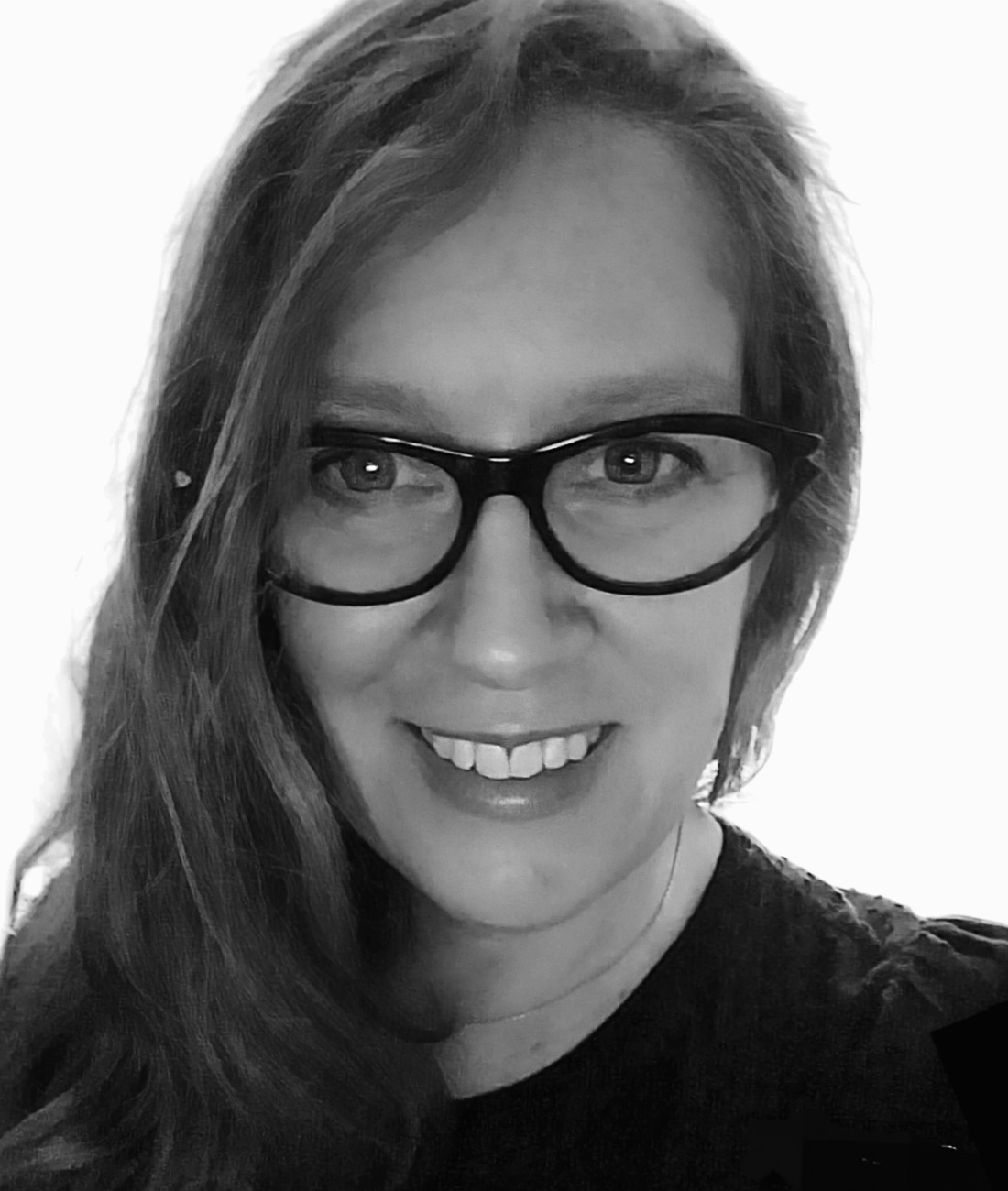
Susan Strate is Senior Manager of the Population Estimates Program at the Donahue Institute in Amherst, MA. Previously, she was Director of Community Services at Hampshire Community Action Commission.
How did you decide this was the career path for you?
I knew early on that I wanted to work with people across cultures in some way, but I didn’t start out with population studies as a defined career goal. Instead, my work in population studies developed organically through other related interests and took me along a career path that was tremendously rewarding. While I was very math oriented as a child, early experiences in living abroad, as well as growing up near immigrant communities, spurred an interest in learning foreign languages.
As an undergraduate, I majored in Comparative Literature because it would give me the most credit for language studies, and I leaned deep into Spanish Literature, French Literature, German, Japanese, and Philosophy—with no firm career plan at all! Being fluent in Spanish, a friend recruited me to work at a social service agency in Northampton, Massachusetts, where bilingual services were sorely needed. I loved the work—being able to assist people and help them navigate institutionalized hurdles. It kicked off a career in human services.
During that first career, I honed my skills in grant writing so that I could develop programs and help the people I served. This led to learning skills in data mining and management for better grant-writing and project reporting. In those days, we used Lotus123 instead of Excel, and Access databases were considered “cutting edge” technology! I worked in this field for 11 years, including eviction prevention programs and a health care access program for people without health insurance. Throughout this period, I had my eye on the UMass Donahue Institute (UMDI) as an interesting “someday” place to work. Specifically, I used to mine their reports on poverty measures in Western Massachusetts for the grant proposals I wrote. At one point, a research analyst from UMDI asked if they could sit in on one of the local FEMA allocation meetings I ran to gain some insight into rental assistance programs. I remember thinking “now THAT’S a cool job!” Some years later, I made the move over to UMDI and started managing their new Population Estimates Program in 2008.
How did you get to where you are in your career, and what do you recommend to current students who are interested in a similar career path?
My career path is the perfect example of a winding road that led to a great place—and also an example of learning by doing on the job. An educational background in philosophy and literature gave me a solid foundation in rhetoric, which was helpful for developing persuasive arguments and storytelling with data for both fundraising and policy arguments. The data analysis techniques were the aspects I decided to learn on the job while working in human services, first cobbling systems together on Excel, then using Access, and finally taking advantage of Census data trainings offered to the public. Tracking on client demographics and outcomes was especially critical in anti-poverty programs. For example, through better data tracking and reporting, we could show that over 80% of the clients in our health care access program were workers holding multiple jobs and that access to primary care services for chronic illness saved the state dollars in emergency room visits.
While I was hired into my current position because of my experience in program development and contract management, I learned demographic techniques and concepts over time through meetings and conferences with the Population Division of the U.S. Census Bureau and fellow state demographers. For projections modeling specifically, I trained with Dr. Henry Renski from UMass Amherst.
My advice to undergraduates starting out on any career path is to not be afraid to lean into the topics you’re passionate about—all of your learning can be brought to bear in a unique way on your chosen career. Once on the job, pay attention to what is helpful to move the mission forward and then develop the skills to meet that need. Continuously seeking improvements and efficiencies for the tasks at hand will open up new paths of learning that will lead to even more opportunities, so stay flexible in your approaches and ready to learn. Finally, establish and interact with a network of colleagues in your field; the learning opportunities are immense and the interactions rewarding.
Describe the various types of related work you have done/are currently doing. What do you consider your most important accomplishment(s)?
I specialize in demographic analysis, population estimates modeling, and Census count preparation and review; I am also Massachusetts’ liaison to the Population Division of the U.S. Census Bureau. Currently I’m working on small-area population estimates for both the Massachusetts and Florida Departments of Public Health, collecting and providing statewide data inputs for the bureau for their official annual population estimates, and various population projection scenarios for the statewide housing plan. I’ve also worked on population projections for the state transportation plan, assessments of statewide school enrollment projections, and Census count preparation and review activities, often based on processing millions of addresses in large database systems.
Some of my most important accomplishments, from a value-to-the-state perspective, include advocating for population corrections for Massachusetts municipalities, including helping to get specific review opportunities “on the table” with the Bureau. For example, the Post-Census Group Quarters Review program meant that Boston was able to restore to its official population count thousands of students missed during the COVID-19 shut-downs. In terms of contributions to the field, the project I’m most proud of is developing an applied methodology for small-area population estimates. These estimates showed improved performance as denominators in public health rates development and were a key input to the weekly COVID-tracking dashboard published by MA Department of Health at the height of the pandemic.
My next goal is to integrate climate change predictions into the population projections my team produces for the state. I’ve recently initiated a new working group in the FSCPE called Climate Impact and Natural Disaster Research for Population Estimates and Projections (CINDR-PEP). The membership includes state demographers from 21 states, plus Canada, along with representatives from the U.S. Census Bureau. The group’s mission is to share research and resources across experts working in related fields. Climate change as it relates to population projections is a relatively new field of study, but its importance will only increase in the years to come. Here again, attention to demographic disparities in outcomes will be needed to shape public policy that addresses systemic inequities.
What do you see as the field’s most important contribution as well as its greatest challenge?
Information is at the heart of understanding, of challenging assumptions, and building the case for improved action and policy. My first career in anti-poverty programs taught me how important it is to access accurate data and to be able to share and explain it. My second career as an applied demographer has allowed me to ensure that policymakers have access to the data and analyses needed for their work. I felt that my first career was very much on the front lines of assisting people wherever policies or practice left gaps, while my second career helps to ensure the accuracy, availability, and analysis of data that help to implement effective policy—two sides of the same coin. For a person looking to make an impact in the world, demography is a field that puts you at the very center of policy analysis and, by extension, the policy-making efforts that shape our world.
In terms of challenges in the field today, the amount of personal data now scraped, sold, and traded on individuals provides both opportunities and challenges. The data are immense and may be used to benefit the public good or the corporation, or both. I’m concerned that as data for purchase becomes more prevalent, the perceived need for public data from national statistical agencies may be undermined. While private data is appealing in its size and specificity, it’s also true that “knowledge is power.” In a democracy, it’s critical that all members of society have equal access to data sources that are free, reliable, well-documented, and collected/vetted through transparent public processes. Balancing the use of both private and public data and maintaining equitable access will be one of the biggest challenges for the next generation of population studies experts.
Beth Jarosz
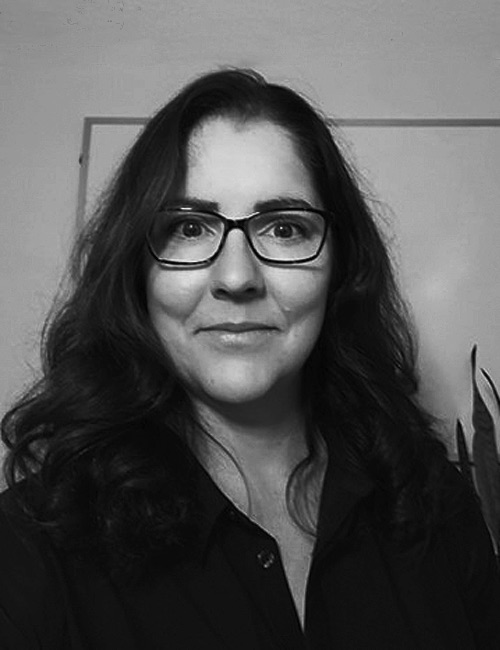
Beth Jarosz is a Senior Program Director at the Population Reference Bureau. Previously she taught at Pensacola State College and worked as a researcher for the San Diego Association of Governments. She is currently vice president of the Association of Public Data Users.
How did you decide this was the career path for you?
My path into demography was definitely not a linear one. I knew math was a strong subject, but as a first-gen college student I didn’t have any idea of how “being good at math” would translate into a career. I also knew I cared deeply about social policy issues, but well-known, math-oriented careers (like engineering and physics) had no direct policy connection. Fortunately, core requirements helped. My Economics 101 professor recognized my strengths and interests and steered me toward an undergraduate major in applied economics. From there I stumbled my way into a post-college internship at a regional government, where there were not one but two well-respected demographers on staff. We were using demographic techniques to inform transportation, housing, and environmental planning. The estimates we produced became the denominators for rates used in the county’s public health department. I was hooked. This was the math-to-policy career I had been looking for!
How did you get to where you are in your career, and what do you recommend to current students who are interested in a similar career path?
I learned a lot on the job, but not enough, so I went to graduate school at UC Irvine to complete my transformation from economist to demographer. Over the past 25 years I’ve had three primary paid jobs—one at the San Diego Association of Governments, one as an adjunct instructor in sociology, and one at the Population Reference Bureau—in addition to unpaid (but still rewarding) work as a parent and in service through professional organizations like the Association of Public Data Users, Population Association of America, and Southern Demographic Association. I’ve also done occasional consulting work.
For anyone who’s interested in an applied career, I have two pieces of advice. First, make sure you have at least one area in which your technical skills are excellent—that could mean being an expert in a GIS software or a programming language. You don’t need to be an expert at everything, but being excellent in at least one thing will help get your foot in the door. Second, develop your communication skills. Being able to present complex topics in a straightforward way is the skill that has been most valuable in my career. Programming languages come and go, but communication is a daily task that encompasses everything from email to presentations to media interviews and can make (or break) a career.
Describe some of your work. What do you consider to be your most important accomplishment(s)?
If I had to provide a very simple explanation of what I do, I’d say that I figure out what question is being asked (sometimes the most complicated part of the job), identify what data or technique is best for answering the question, and present a clear answer (even if that answer is “we don’t know yet”).
Some questions can be answered, like “How much will this region’s population grow over the next 30 years?” For a question like that, I can use demographic techniques to produce a forecast, or a range of forecasts, and present that information to local decision makers. Some questions are harder to answer, like “What is the number of people experiencing homelessness?” or “What is the best measure of disability rates in a population?” Although questions like that seem straightforward, neither of those questions has just one answer, so the hard work comes in explaining the nuances without being pedantic. Answers to those questions often take the form “X is better for some things, Y is better for others. Given the reason why you’re asking, Y might be the best option.”
Among the questions I’ve had to tackle was, “What would happen if a citizenship question was added to the 2020 Census?” Answering that question is the accomplishment I’m most proud of. As background, in the late 2010s there was an attempt to add a citizenship question to the 2020 Census. On its surface, this might seem fairly straightforward—the question is already on the American Community Survey, so just add it to the 2020 Census, count everyone, and publish the results. Unfortunately, the political dynamics were far more complicated. The request was being made by the Trump administration, which had a record of anti-immigrant policies, and therefore adding the question would suppress response rates. More immediately, the question had not been tested in a crucial census field test. Adding an untested question late in the process would have compromised the quality of the count—especially among groups that were already historically undercounted, like young children. I used data from the American Community Survey to identify households with at least one noncitizen, and the characteristics of people in those households, to estimate that nearly 1 in 10 households—encompassing about 45 million people—would be at risk of being undercounted if the untested question were added to the census. The analysis didn’t involve complex research design or novel methodology—it was simply an important set of descriptive statistics. Making those descriptive statistics available to the public meant that they could be (and were) used in the Supreme Court case Department of Commerce v. New York that ultimately prevented the question from being added to the 2020 Census.
What do you see as the field’s most important contribution as well as its greatest challenge?
I think the field’s greatest challenge is that the data on things like fertility, migration, and even mortality can be twisted for political gain or to support xenophobic theories. Demographers track declining birth rates and describe how financial and social structures have contributed to those falling rates, but others may politicize the trends to promote a particular worldview or power structure. Demographers track disparities in mortality rates across demographic groups to understand structural inequalities, but others may present that data as evidence of one group’s “superiority” over another. Having talented demographers who both understand the data and can present it in a clear and compelling way can help combat that type of mis- and disinformation.
And demography is more important than ever. As our climate and political systems change, the impacts will be borne by people—who better than a demographer to understand and explain those impacts?
Niniola Williams
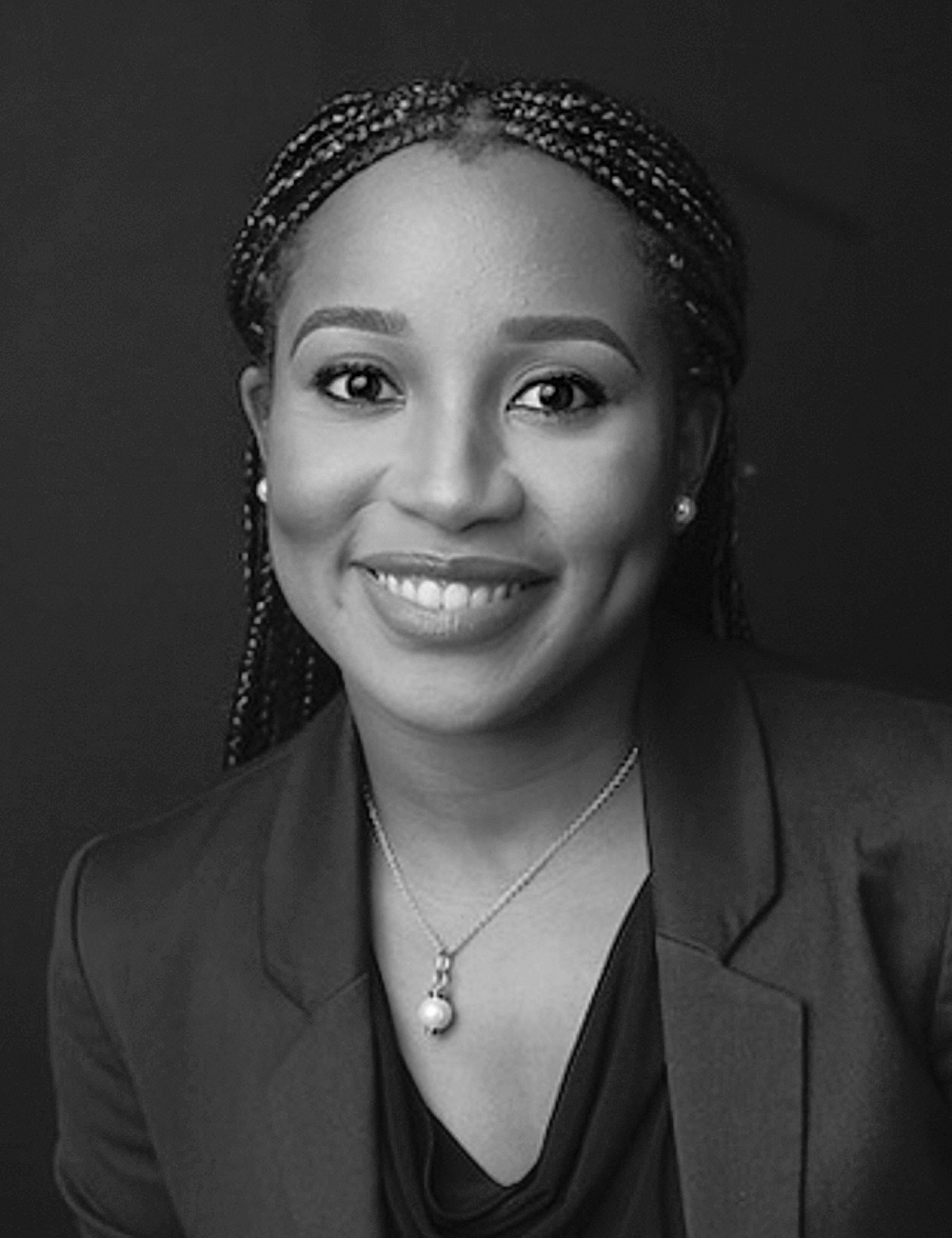
Niniola Williams leads a public health organization, Dr. Ameyo Stella Adadevoh (DRASA) Health Trust, which builds a network of health champions in communities to prevent diseases and save lives through education and training, community engagement, emergency planning, and policy change. DRASA was founded in memory of her aunt, who prevented a major epidemic by diagnosing and containing the first case of Ebola in Nigeria, and honors her legacy of protecting public health.
How did you decide this was the career path for you?
My career path became clear when I discovered public health—specifically the control of communicable diseases—as the perfect blend of all my interests and passions.
First, I have always been fascinated by human behavior, the way people think, the decisions they make, and the impact of those decisions on their personal lives as well as the wider population. So I was drawn to the study of the mind. My undergraduate degree from the University of Pennsylvania in cognitive neuroscience allowed me to take a multi-disciplinary—everything from biological and social sciences to statistics and engineering—approach to exploring the brain and behavior.
Second, I have always been drawn to development work in low- and middle-income countries. I am Nigerian and Ghanaian. With most of my family living in West Africa, I knew my career would be based on the African continent, contributing to improving the lives of populations.
Third, I come from a long line of health and medically-inclined people, but I did not want to follow the family tree and become a doctor. I knew what being a clinician took (saw it firsthand with my relatives), and it just was not my calling. However, I have always loved anything to do with health and wellness—promoting health and preventing disease among communities, rather than treatment.
As I graduated from university, I started supporting a small charitable Christian organization in Kenya alongside my 9 to 5. The organization’s focus was improving population health in remote villages, and I found myself more excited about this volunteer role than my full-time job. So I pivoted into public health and never looked back!
How did you get to where you are in your career, and what do you recommend to current students who are interested in a similar career path?
I have just concluded my master’s in public health from the London School of Hygiene and Tropical Medicine. I also have 3 certifications related to the more technical aspects of my career including social sector management, infection prevention and control, and antimicrobial resistance. I obtained these certifications over several years from 2017 to 2019.
While these certifications and academic achievements were important for my career, experience was the key for me. I volunteered a lot in the beginning of my career to explore the various aspects of population health so I could determine my niche and discover what I enjoy the most. Unpaid volunteer roles provided real-life job experience. (Side note: three of these unpaid roles eventually converted to full-time and part-time paid jobs, so it is not always about taking the highest paid role—take the roles where you will learn and grow the most).
Even though I knew I wanted to work in population health, I kept an open mind regarding the specific area of population health in which I wanted to become expert. This allowed me to get a lot of experiences early on and refine my vision for my career.
In summary, I recommend students do the following:
- Keep an open mind. Even if you think you know exactly what you want to do, be open to other experiences in your field or related fields because you may discover something unexpected that fits you better.
- Volunteer. Do not be shy to volunteer with a researcher or an organization that is doing work that excites you. Even if they do not pay you, it will pay off.
- Never stop learning. Continue pursuing opportunities to learn and develop even after you land your “dream job”—whether online courses, postgraduate degrees, certificate trainings, research projects, conferences, and/or events.
Describe the various types of related work you have done/are currently doing. What do you consider your most important accomplishment(s)?
My work is focused on protecting populations from the spread of preventable diseases. Vulnerable populations in Nigeria suffer from inadequate hygiene and sanitation and a weak health system that cannot deliver quality care or contain public health threats. Our solution is building a network of Health Champions who take responsibility for their health and the health of those around them and are actively participating in solving public health challenges.
It is an inclusive, people-centered approach to preventing illness, improving healthy behaviors, and ensuring safer, healthier, and more resilient communities. Specifically, we do this through research, education and training, community engagement, emergency planning, and policy change.
To date, we have worked in 32 of Nigeria’s 36 states, and we have implemented solutions and strengthened health systems in varied contexts – from teaching hospitals and conflict-ridden land borders to secondary schools and remote primary health care centers.
We are currently working on a couple of initiatives focused on systems change, and that is the most important part of our work. When we can change a whole system, we impact populations at scale and that is both exciting and fulfilling. Whether it is creating a system to detect and respond to public health emergencies at international airports and land borders (where there was no system before) or contributing key population health promotion content to the standard curricula used in all high schools nationwide, we are working through people and systems to protect the health of people across the country. Through our work, we have also supported the development of 26 state and national policies and guidelines on public health-related issues ranging from a 5-year national strategy to a state health guideline.
These are the accomplishments I value the most as they will outlive me and the organization as positive contributions toward protecting the health of a nation.
What do you see as the field’s most important contribution as well as its greatest challenge?
What I love about what I do is being able to explore the root causes of some of the problems we see in population health. For example, gathering data from communities and ensuring that the reality of what is happening on the ground is well captured is a very important aspect of helping governments and authorities make evidence-based decisions to improve the health of populations.
That said, it can be hard to stay motivated when there are challenges. It can be discouraging when the communities you are trying to support either want to sabotage the work or are only interested if they can see some form of immediate financial gain for themselves. However, the successes in this field are big and impactful. When we are able to move the needle, especially in a country like Nigeria which holds Africa’s largest population, we know we are impacting countless lives—today and in the future. So I share this to say that there may be moments where you question your career choice, but as long as you are doing what you love and what you are passionate about, negative moments will be overcome by fulfilling your purpose.
Quarraisha Abdool Karim
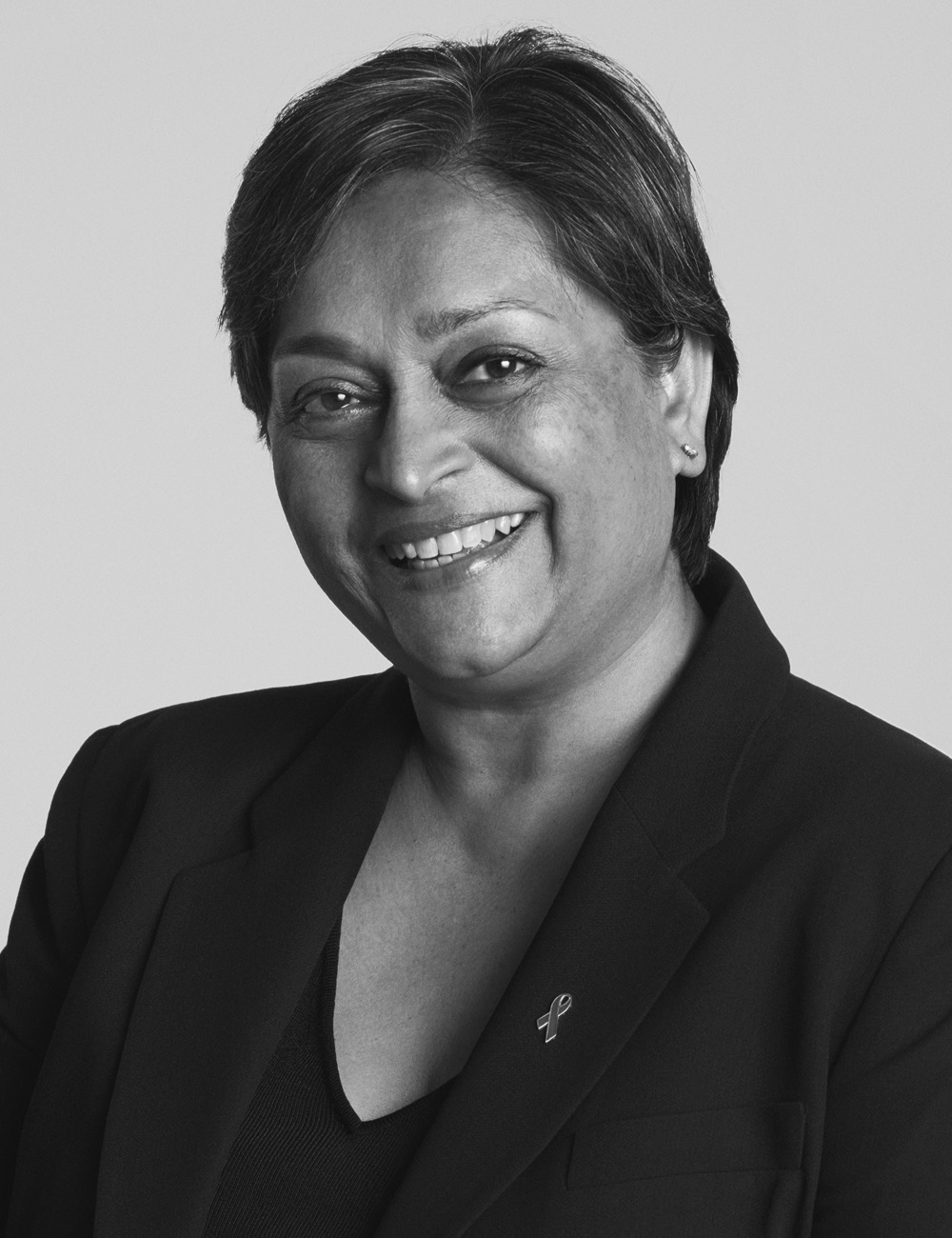
Quarraisha Abdool Karim, an infectious diseases epidemiologist, is Co-Founder and Associate Scientific Director of the Centre for the AIDS Program of Research in South Africa (CAPRISA). She is a professor in clinical epidemiology at Columbia University in New York and Pro-Vice Chancellor for African Health, University of KwaZulu-Natal, South Africa.
How did you decide this was the career path for you?
My interest in science and social justice developed when I was still in high school. It was shaped by growing up in apartheid-era South Africa, where health inequalities were stark and deeply entrenched. I saw first-hand how poverty, race, and gender shaped people’s access to health care—and their health outcomes. While undertaking research on Beta Thalassaemia, a genetic disease, at the University of Natal Medical School, I realized that health goes beyond individual illness; disease affects entire communities, especially women. That’s when I knew I wanted to pursue a career in epidemiology—to generate knowledge that would serve those most affected, but often least heard, in the community.
How did you get to where you are in your career and what do you recommend to current students who are interested in a similar career path?
I began with a BSc in microbiology and biochemistry at the University of Durban-Westville, followed by a Masters degree at the School of Public Health at Columbia University in New York. I went on to complete a PhD and my post-doctoral research in infectious diseases at the University of KwaZulu-Natal. But just as important as formal training were the lived experiences of conducting fieldwork in South Africa’s hardest-hit communities during the early years of the HIV epidemic.
After establishing the Medical Research Council’s AIDS Research Programme in Durban, I joined the newly elected post-Apartheid Mandela government to lead its AIDS control programme. In 2002, I co-founded the Centre for the AIDS Programme of Research in South Africa (CAPRISA), where I led research focused on adolescent girls and young women—the demographic most affected by HIV in sub-Saharan Africa. I also led a Fogarty funded AIDS training program, which trained over 600 South African scientists.
I recommend that students let their purpose guide them. When I began my studies during apartheid, there were many barriers—but staying focused on my mission of AIDS prevention helped me navigate the challenges.
Public health isn’t just about data; it’s centrally about people and social justice. You don’t need an advanced degree to get involved—early experiences in community work, outreach, or health projects are incredibly valuable. These moments connect theory to lived reality and teach you empathy and humility, which are essential in this field.
Be open to learning across disciplines and don’t wait to be “ready” to make a contribution. Most importantly, for young women—you belong in this field. Your lived experiences and perspectives are crucial. Bring your curiosity, integrity, and compassion—and know that your presence can transform public health.
What do you consider your most important accomplishment?
At the core of my research is the need to reduce the high rates of HIV infection in young women in sub-Saharan Africa. For over three decades, my research has focused on uncovering the social, biological, and structural factors that drive HIV risk among young women and on developing locally relevant, evidence-based solutions.
Working alongside communities as partners, I co-led the CAPRISA 004 tenofovir gel trial that provided the initial evidence that antiretrovirals can prevent HIV infection—a new prevention strategy that became known as Pre-Exposure Prophylaxis (PrEP). It was a landmark moment in global health, not only because of the science but also because it showed that women could have a prevention method they controlled themselves—a major shift in the gendered power dynamics of HIV prevention.
Parallel to this, I’ve always seen research capacity strengthening as critical. Science cannot be sustainable if it is extractive, without giving back to the next generation. Many of my trainees have gone on to lead major AIDS prevention studies, shape health policy, head their own research institutes and some have even led national AIDS control programmes. I see this as part of a larger project of transforming who produces knowledge and who benefits from it.
On the global stage, I’ve contributed to shaping policy through my roles as UNAIDS Special Ambassador for Adolescents and HIV and as a science advisor to UNAIDS. Following my election as the first woman president of The World Academy of Sciences (TWAS) in 2022, I have been able to support gender equity, scientific inclusivity, and investment in early-career researchers in the Global South.
While I have received honours like the Canada Gairdner Award, the Christophe Merieux Prize, and a Lasker Prize, my most meaningful accomplishments lie in shining a light on African science and the role of women as leaders in the global research enterprise.
What do you see as the field’s most important contribution as well as its greatest challenge?
The most powerful contribution of population health is its ability to measure, identify, understand, and respond to systemic health inequalities. Whether it’s HIV, COVID-19, or access to vaccines, population science helps us understand who is most affected, why, and what interventions will have the greatest impact.
The challenge is to facilitate the translation of our science into policy and action—and that we continue to build trust with communities through transparency, respect, and inclusion. We also need more diverse voices, especially from the Global South, shaping the research questions and solutions. For those who care about evidence-based decision-making and impact, this field is for you. Public health provides the opportunity to work at the local and global level, using your skills to improve the lives of entire populations—especially those who are too often overlooked. It’s not just a career. It’s a mission.
Salim Abdool Karim
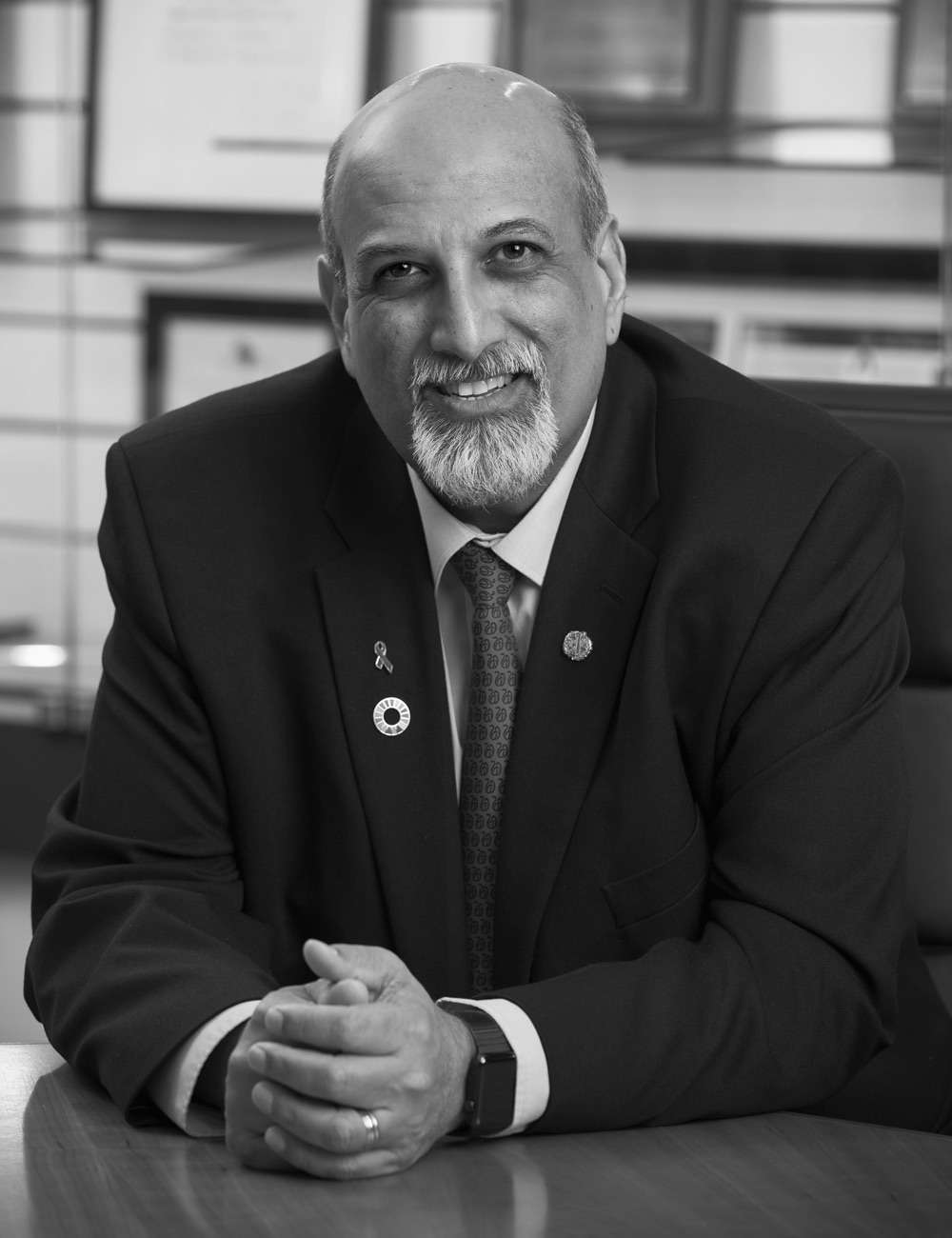
Salim Abdool Karim, clinical infectious disease epidemiologist at Columbia University, is Director and Co-Founder of the Centre for the AIDS Program of Research in South Africa (CAPRISA). He is Pro Vice-Chancellor at the University of KwaZulu-Natal.
How did you decide this was the career path for you?
When I was a third-year medical student, my mentor from the department of paediatrics invited me to join him on a research study on how apartheid affects health. I was immediately captivated by the ability to show population-level impacts of racial discrimination and undertook more studies with him on the epidemiology of hepatitis B.
Upon completing medical school, I pursued training in virology for my medical specialty. While I thoroughly enjoyed learning about viruses and the body’s immune response to them, I felt drawn back to public health. So, I went to study epidemiology and public health at Columbia University. I saw public health as a rigorous science and not a second-class discipline. Studying public health, I saw a future well beyond the individual patient and individual virus for my research. I saw the power of understanding the broader patterns of disease in communities—how infections spread, who gets left behind, and why. That’s what drew me into the world of population health.
How did you get to where you are in your career and what do you recommend to current students who are interested in a similar career path?
I initially joined the South African Medical Research Council (MRC) as the Director of the MRC’s Centre for Epidemiological Research in South Africa (CERSA) before becoming Deputy Vice-Chancellor of research at the University of Natal. Since we created CAPRISA in 2002, it has undertaken several seminal HIV prevention studies that have impacted the global AIDS response. While continuing my research in South Africa, I was appointed as a professor in global health at Columbia University, in medicine at Cornell University and in immunology and infectious diseases at Harvard University. I also served as president of the MRC and as science advisor to the Director-General of the World Health Organisation.
My career path has involved a combination of scientific research, academic teaching, providing policy advice, and public engagement with science, all underpinned by excellence in population-based research.
I recommend that students first be curious. Population health is about patterns, systems, and people—and it takes curiosity to ask the right questions. You don’t need to have it all figured out from day one. Start by getting a solid grounding in science, biology, and statistics. Look for internships or volunteer opportunities in health-related NGOs, hospitals, or research institutes. You’ll learn more from experience than from any textbook.
Second, find your passion. In pursuing your career path, you should be going to work enthusiastically as it serves as a channel to follow your passion. Everyone can contribute meaningfully to public health if the opportunities become available.
Third, be pro-active in serving humanity. Many impactful roles—in health policy, program implementation, or data analysis—are led by people who have made the world a better place and who have much to offer in terms of real-world experience. And don’t ever underestimate the power of commitment to a cause.
What do you consider your most important accomplishment?
Over the course of my career, I’ve worked at the intersection of science, public health, and policy, driven by a commitment to address urgent health challenges affecting vulnerable populations, particularly in Africa. My focus has largely been on infectious diseases, especially HIV/AIDS and tuberculosis, which continue to shape the public health landscape in South Africa.
One of the defining moments in my career was co-leading the CAPRISA 004 tenofovir gel trial that provided the first evidence that antiretrovirals can be effective in preventing sexual transmission of HIV. This was a pivotal scientific and public health breakthrough—offering women, especially in contexts where they have limited negotiating power, a method to protect themselves. The study helped shape the development and rollout of pre-exposure prophylaxis (PrEP) globally and laid the foundations for several additional breakthrough findings.
These research contributions have received recognition with several awards including the Lasker-Bloomberg Public Service Award, Canada’s Gairdner Global Health Award, Japan’s Hideyo Noguchi Prize, Royal Society’s Michael Faraday Prize and the African Union’s “Kwame Nkrumah Award”, the continent’s most prestigious scientific award. They have also led to me being ranked among the world’s most highly cited scientists by Web of Science.
What do you see as the field’s most important contribution as well as its greatest challenge?
The field’s most vital contribution is its ability to reveal hidden patterns in populations—to show us where interventions are most needed, and to measure whether they’re effective and impactful. Whether it’s modelling the spread of disease, understanding fertility trends, or analysing migration patterns, population studies help us build a more just and equitable society.
The challenge is that population-based solutions often take time to show results—and in a world that wants quick fixes, that can be frustrating. Maintaining scientific rigour in the midst of sub-optimal quality real-world data presents a challenge to the need for accurate, timely information to drive public health.
But here’s the pitch: if you want a career that combines science, social justice, and real-world impact, this is it. Few fields allow you to work at the intersection of research, policy, and human dignity. You won’t just study numbers—you’ll shape the lives behind them.
Susheela Singh
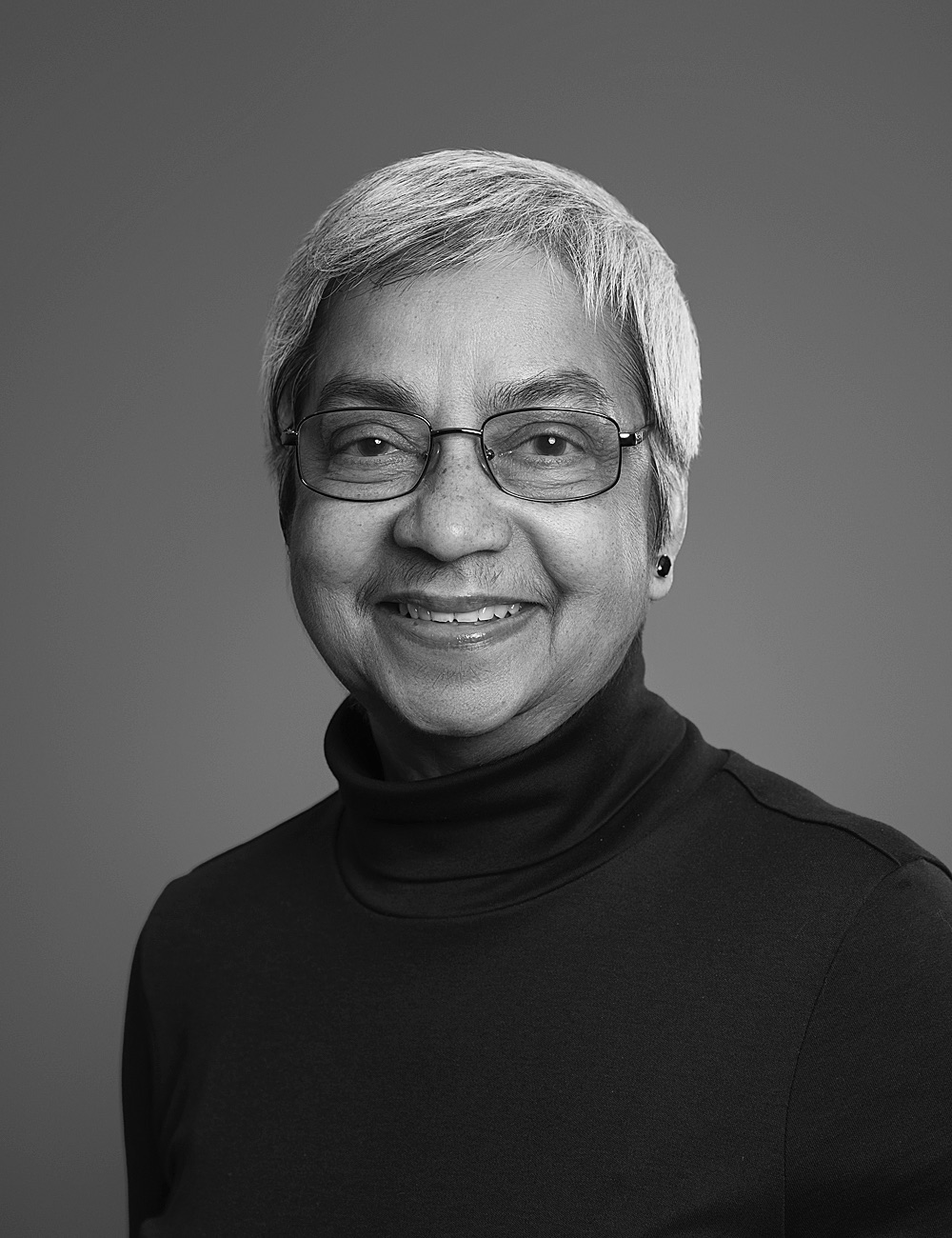
Susheela Singh is a distinguished scholar and vice president for Global Science and Policy Integration at the Guttmacher Institute, a nonprofit policy and research organization that focuses on advancing sexual and reproductive health and rights worldwide.
How did you decide this was the career path for you?
From a course on population geography during my undergraduate studies, I realized that the issues we were studying—population growth, urbanization, fertility, mortality, and migration—were fundamental drivers of much of what was happening within countries and globally. In addition, I could see that these components of demography would change continually over time. I felt that the field of population studies or demography would never be boring and would remain absorbing throughout my career. This was in the early 1970s, when population growth and its potential downsides became a high priority global concern. Also, the fact that I came from a family of nine children in a country experiencing rapid social change led me to want to understand the extent to which women had control over how many children they would have, and what could be done about this.
How did you get to where you are in your career and what do you recommend to current students who are interested in a similar career path?
I am from Guyana and migrated at the age of 18 to the University of Manitoba in Canada to get a degree in geography. After finishing the degree, I considered working in urban planning but was unsuccessful in getting work in this area. I was fortunate to be able to enroll in graduate studies and obtained a PhD in sociology with a focus on demography at the University of California, Berkeley.
Demography is multidisciplinary, and students can enter it through degrees in several fields, including sociology, economics, statistics, geography, health sciences, public policy and public health. It can lead to opportunities to work: in the public sector (federal, state or local levels)—for example planning and projecting in different areas such as education, unemployment, planning, health service needs, etc.; in the private sector, for example market research, analyzing demographics with respect to demand for products; and in the nonprofit sector, which also needs staff with these types of skills to conduct research for effective policy advocacy. New graduates with training in demography and related areas are in demand. Overall, training in demography or related areas is useful for roles in all of the above. The field of “data analytics,” which includes data analysis but also data visualization or how to communicate data effectively, is growing; an education that includes demography is a good entry point. Knowledge and skills in demography are also great preparation for work in many areas of current policy and political relevance (see below for more).
Describe some of your work. What do you consider to be your most important accomplishment(s)?
My first job was with an international project in London, the World Fertility Survey. This organization was breaking new ground in developing surveys in the field of reproductive health globally. Applying the academic training that I had just completed to research on the ground was one of the best experiences I could’ve asked for and was extremely rewarding. We conducted surveys in 40 countries over eight years. I was involved in data collection and analysis, writing reports and articles, and presenting research findings to various audiences.
My next job was at the Guttmacher Institute. For the first few years I focused on analyzing priority sexual and reproductive health (SRH) issues in the United States, such as adolescent pregnancy, access to maternal health care and gaps in coverage for reproductive health services. I found it extremely interesting to see the differences between the United States and low-income countries. Some of these issues were then and continue to be of universal relevance—such as unplanned pregnancy among adolescents and a range of barriers to accessing sexual reproductive health services. The Institute began to conduct research on SRH in other countries from the late 1980s, working with organizations in those countries. We continue to do this work (along with equal attention to SRH in the United States). After some years of conducting research on SRH issues globally, I began primarily to direct others’ research. My role currently is mostly focused on use and application of research findings on sexual and reproductive health to improve peoples’ access to services—at the global, regional, and country levels.
A contribution I have made is my research on estimating abortion incidence in countries that have highly restrictive laws. Research to estimate abortion incidence globally is another area to which I have contributed. In the early 2000s, my colleagues and I conceived of and began research to estimate the costs and benefits from providing sexual and reproductive health services, and I think this was a valuable new approach that other colleagues now lead and have expanded on during the past decade. The Guttmacher Lancet Commission’s report, Accelerating Progress—Sexual and Reproductive Health and Rights for All, which was published in 2018 has been especially impactful in the field (I was a member of the Commission).
The work that I and others at the Institute have done to strengthen the capacity of our partners in other countries to conduct research on sexual and reproductive health is also an important accomplishment, and one that we continue to focus on. Training new staff over the years—at all levels, from research assistants to scientists—is also something I enjoy and consider to be an important contribution.
What do you see as the field’s most important contribution as well as its greatest challenge?
This field has made it possible to measure rates of death and illness for different age groups and from different causes. This has been fundamental to understanding the level, trends, and differentials in health and survival patterns across population groups and countries and to help policymakers, advocates, and providers work to reduce inequities and improve health and survival. The field also measures and helps us to understand family structures, marriage, and sexual relationships and how they are changing; what women and men want in terms of having children (how many and when); sexual health and rights—and related needs for information, education, counseling, and services. Many of these are issues that are essential aspects of health and well-being and yet difficult for many societies to address in practical terms. This area of demography more than others connects with personal values and can therefore be controversial and challenging, yet perhaps because of these challenges can be very rewarding as a career path.
The third area of demography, migration is also very important, and international migration can be politicized. The large and growing numbers of displaced people and of populations living in humanitarian crisis conditions—forced migration—is also a very challenging global issue that needs more attention. Working in this area can be very fulfilling. Demography can also be a platform for work to improve equity among population groups (e.g. across race-ethnic groups, indigenous groups, and other minorities) and across gender and intersectional differences.
Isaac Maddow-Zimet
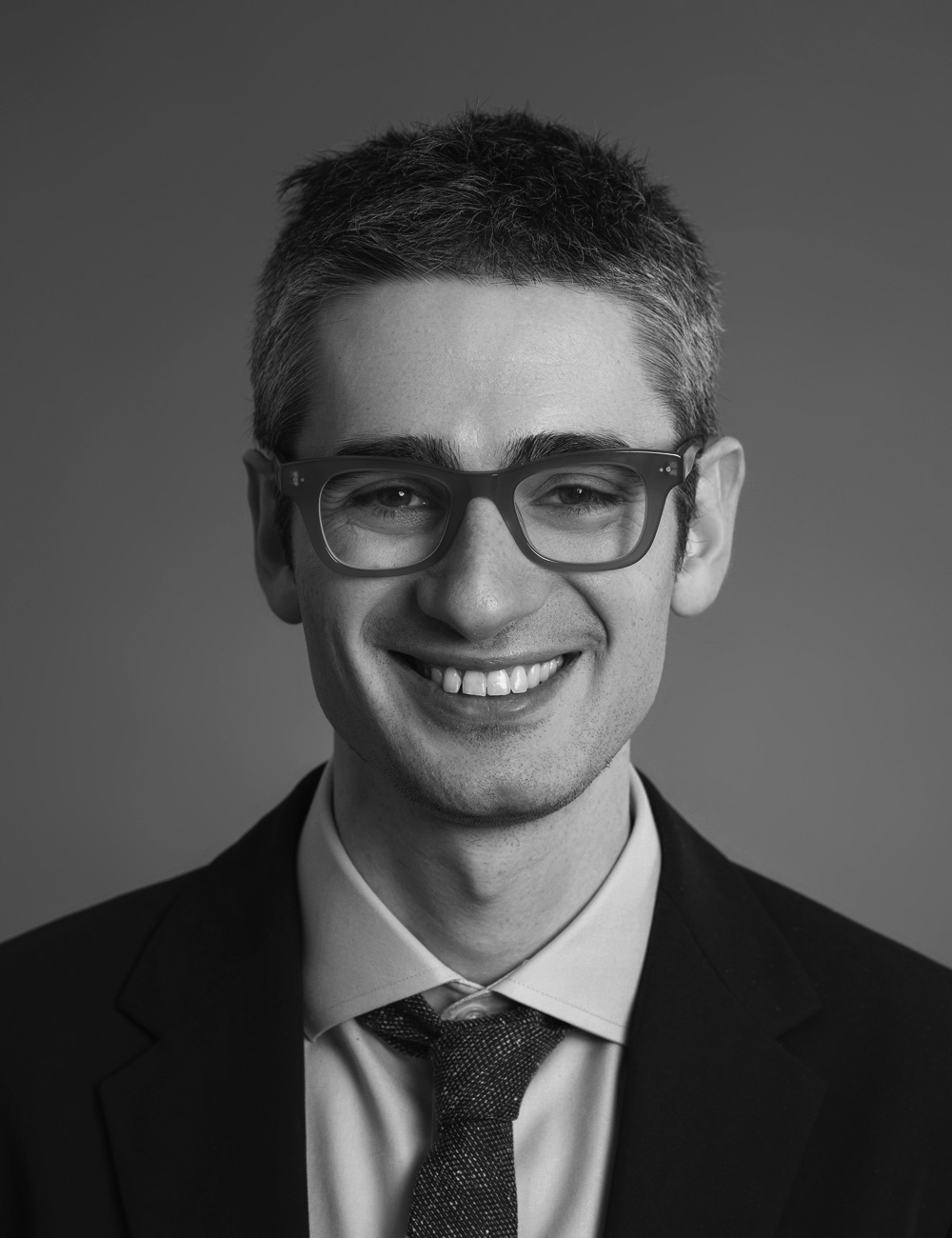
Isaac Maddow-Zimet is a data scientist at the Guttmacher Institute.
How did you decide this was the career path for you?
In a lot of ways I fell into this field. My first job after college was at a start-up running a randomized controlled trial of an animated series designed to encourage healthy eating. I started out as an intern. At the end of the first year there was so much turnover I was running the (multi-million dollar) trial. As is common at a lot of small start-ups, I ended up doing all kinds of work that I probably wasn’t qualified for. Eventually I decided I wanted to be at a place where I could learn real research methods from experts in their field, and I was lucky enough to get a job as a research assistant at the Guttmacher Institute.
My first project was working with Dr. Susheela Singh to estimate the incidence of abortion and menstrual regulation in Bangladesh. I was completely drawn in doing work that was extremely methodologically challenging (because of the difficulties that come with measuring highly stigmatized or legally restricted behaviors) as well as policy-relevant and actionable. I’ve been at Guttmacher ever since.
How did you get to where you are in your career and what do you recommend to current students who are interested in a similar career path?
I had the great privilege of being able to work from the very beginning of my career at Guttmacher with some of the foremost experts in the field of demographic sexual and reproductive health research—people who had been doing this type of work for decades and who had invented some of the core methods still in use today. Most of what I learned was on the job, working with people smarter and more experienced than I was. At a certain point I decided I wanted more formal statistical training; I got a Masters in Applied Statistics at New York University while continuing to work full time at Guttmacher.
I also became very interested in strengthening the computational reproducibility of the research I and others were doing. This means making sure that anyone could reproduce all of our results easily from raw data and code. I got very involved in building out workflows and training for research staff at Guttmacher to implement things like strong version control practices using git and formal code review of our research products.
In many ways my career has been non-traditional—it’s unusual in the field to not have a PhD. I’ve been saying I would get a PhD when I felt like I was no longer learning enough doing my day-to-day work—15 years later, that day hasn’t arrived.
Describe some of your work. What do you consider to be your most important accomplishment(s)?
For most of my career, I have worked on issues around the measurement of abortion in the United States—both in surveys of people of reproductive age and from data collected directly from abortion providers. I currently lead the Monthly Abortion Provision Study, which is an NIH-funded project designed to produce monthly estimates of abortion incidence in the United States post-Dobbs, along with estimates of travel across state lines for abortion care and other key data points in order to assess the impact of policy changes related to abortion at the state and federal levels.
We sample facilities every month and use their data in a Bayesian hierarchical model to produce estimates that are updated and published monthly. The motivation for this work was to balance the need for more timely data with the burden that data collection puts on abortion-providing facilities, particularly during a time when they are dealing with increased caseloads, mounting legal pressures, and enormous amounts of uncertainty.
I feel incredibly lucky to be able to do this work every day. People entrust us with their data, and we’re able to use it to do research that policy makers listen to and use. Through this work I have had the opportunity to testify in front of a Senate subcommittee, regularly provide data to legislators and advocates, and help shape the information we have about abortion provision during a critical time of change.
What do you see as the field’s most important contribution as well as its greatest challenge?
I think demographic research on sexual and reproductive health, in particular, is the rare situation where you can do work that is extremely methodologically rigorous and also critically policy relevant. I also think there is no shortage of interesting and unsolved problems. Much of what we study is stigmatized, which creates enormous issues of underreporting and bias. There are many brilliant people trying to devise creative ways to collect data, improve measurement, and do work in a totally different way. Come join us!
Elizabeth Nash
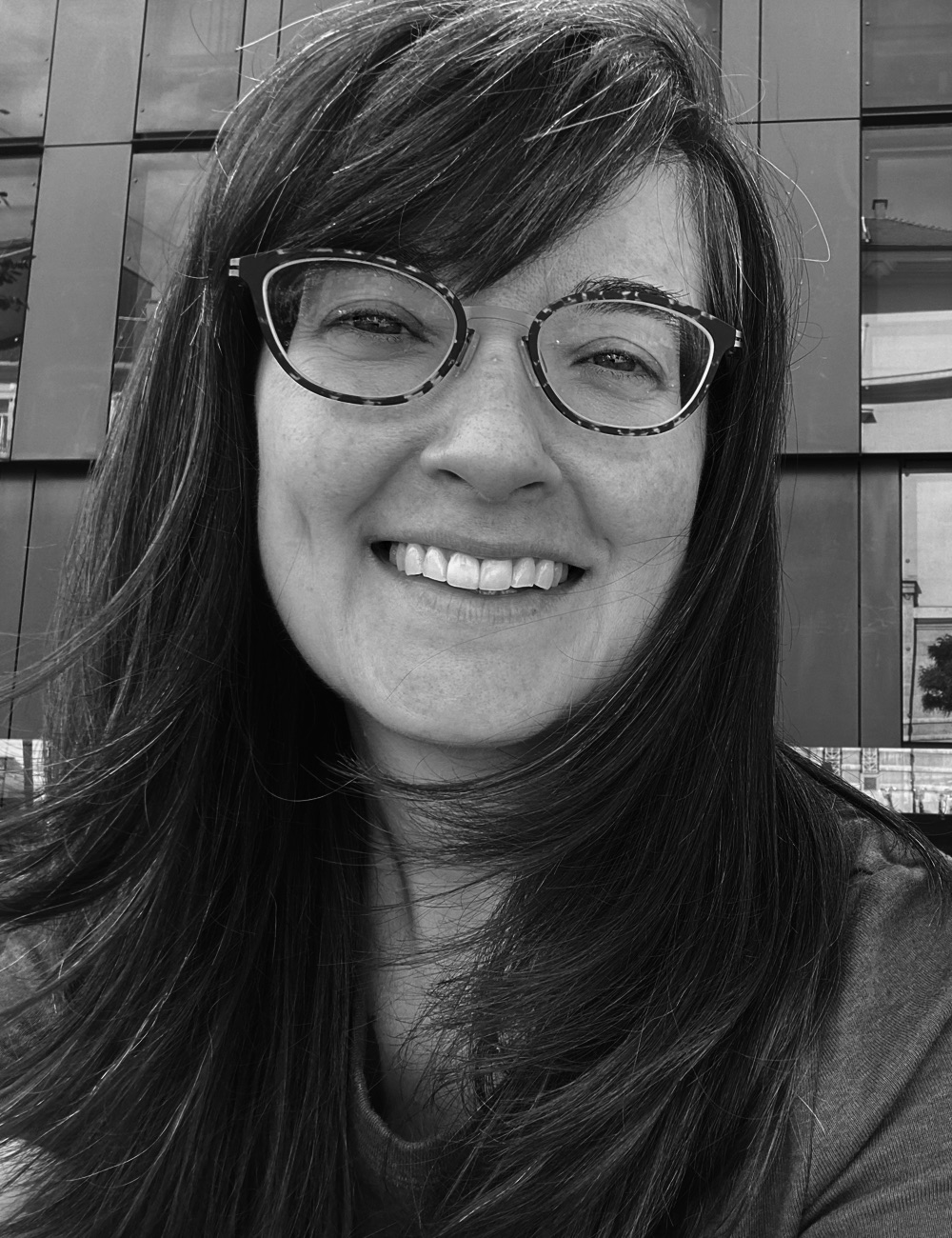
Elizabeth Nash is a supervisory public health advisor at the OASH Office of Population Affairs. Previously she was principal policy analyst at the Guttmacher Institute; prior to that, she worked in public relations, on campaign staffs, and as a policy analyst.
How did you decide this was the career path for you?
It wasn’t until a few jobs after college that I thought working in reproductive health and rights could be a career. But I knew that I wanted to make a difference in people’s lives around abortion and contraception. This started in high school. When I took my friends to the local Planned Parenthood, it was evident that because we were middle class it was much easier for us to get services. Other people in the waiting room had trouble paying for services and getting to the clinic. I also had a friend who had two babies by the time she was 15. In 1992 the US Supreme Court issued the Casey decision, which allowed states to adopt more restrictions on abortion. On those years I realized I wanted to help people gain access to reproductive health care so that they could have their children when they were ready.
How did you get to where you are in your career and what do you recommend to current students who are interested in a similar career path?
My undergraduate major at the College of William and Mary was public policy, which gave me the opportunity to take classes in disciplines from economics to government to sociology to psychology. That foundation gave me a running start on working with researchers and demographers. I was active on campus. A friend and I reinstated an organization on women’s rights, and I was a founding member of a women’s literary magazine. I interned with the Feminist Majority Foundation for a summer and during semester breaks. These activities exposed me to additional thinking about reproductive health and rights, along with broader issues for women’s rights. In hindsight, I was preparing myself for work in the nonprofit or health care sectors, as well as in government.
Like most people, my career path hasn’t been a straight line, and I was not sure where I would find a space where I could thrive. After graduation I worked on a congressional re-election campaign, for a small PBS news program, at a public relations firm, and for a company that tracked state legislation and regulations. But a couple years after graduating, I got my foot in the door at the Guttmacher Institute. They needed someone to track state policies on reproductive health and handle administrative tasks. The more I worked there, the more I recognized the powerful combination of advocacy, policy and research.
While at Guttmacher, I decided to return to school for a master’s in public policy. A major motivation for me was to gain a better understanding of research methods so that I could more fully comprehend and use the research on reproductive health and demographics. I was fortunate to find a program I could attend part-time as I needed to work full-time to pay for school.
Describe some of your work. What do you consider to be your most important accomplishment(s)?
Currently I work for the federal government where I lead the team that handles the Title X Family Planning Program. This program, which is now over 50 years old, provides family planning services, including contraception, STI testing and treatment, pregnancy testing and preconception care, basic infertility and related counseling and education. The team manages 86 grantees from across the country, territories, and freely-associated states. I am immensely proud of the work of the team and their dedication to supporting grantees in meeting our requirements and overcoming challenges.
These grantees provide over 4 million patient visits to over 2.6 million patients a year at nearly 4,000 clinics. This care is primarily provided to low-income individuals. Those making less than 100% family poverty level (FPL) receive services without cost, and those with incomes 101% to 250% FPL pay on a sliding fee scale. In 2024 FPL for a family of three was $25,820. It is a privilege to be part of a program that allows people to make decisions about when or if to become a parent and to take care of other aspects of their reproductive health.
By the time I left Guttmacher, I was an expert on state reproductive policy—from abortion to youth issues to pregnancy and contraception; I wrote about the impact of policies on individuals and families, creating maps and tools to show the reach of these laws. An analysis I created on abortion laws and bans continues to be used to help educate about the scope of abortion policies and to evaluate the impact of these laws. I also created a series of factsheets on policies related to abortion, contraception, and youth access that included relevant research and demographic statistics and evidence. Bringing the policy together with the research in an easy to digest format was helpful for state and national advocates as they worked to expand access to care.
In both nonprofit advocacy and in the federal government, an overarching theme is using the evidence from researchers and demographers to support access to reproductive health care. It is exciting to think that you can help develop or implement policies that give people the resources to make fundamental decisions about parenthood, relationships, and sex.
What do you see as the field’s most important contribution as well as its greatest challenge?
In 2013, Planned Parenthood in Indiana closed five clinics due to a new Indiana law aimed at excluding abortion providers from public programs. Scott County was left without a health center for STI testing and treatment, and many were unable to reach other clinics. As a result, HIV infections soared in the county. State, federal, and nonprofit resources now spend millions a year to provide care to the over 200 people who contracted the disease. This is an example of when legislators made a political calculation, in this case about defunding abortion providers, when they would have benefited from the facts and data that demographers would have brought to the debate. Had they included a full discussion of the data and patient needs, the outcome could have been different.
This example shows the importance of demography. It is critical to ensure that individuals have access to health care. For reproductive health, we need demographers to help us understand fertility and infertility, contraceptive use, how our population is changing, and where there are disparities in care and services. Without this information we cannot put in place the appropriate programs and policies that ensure people can remain healthy throughout their lives.
Karen Pren
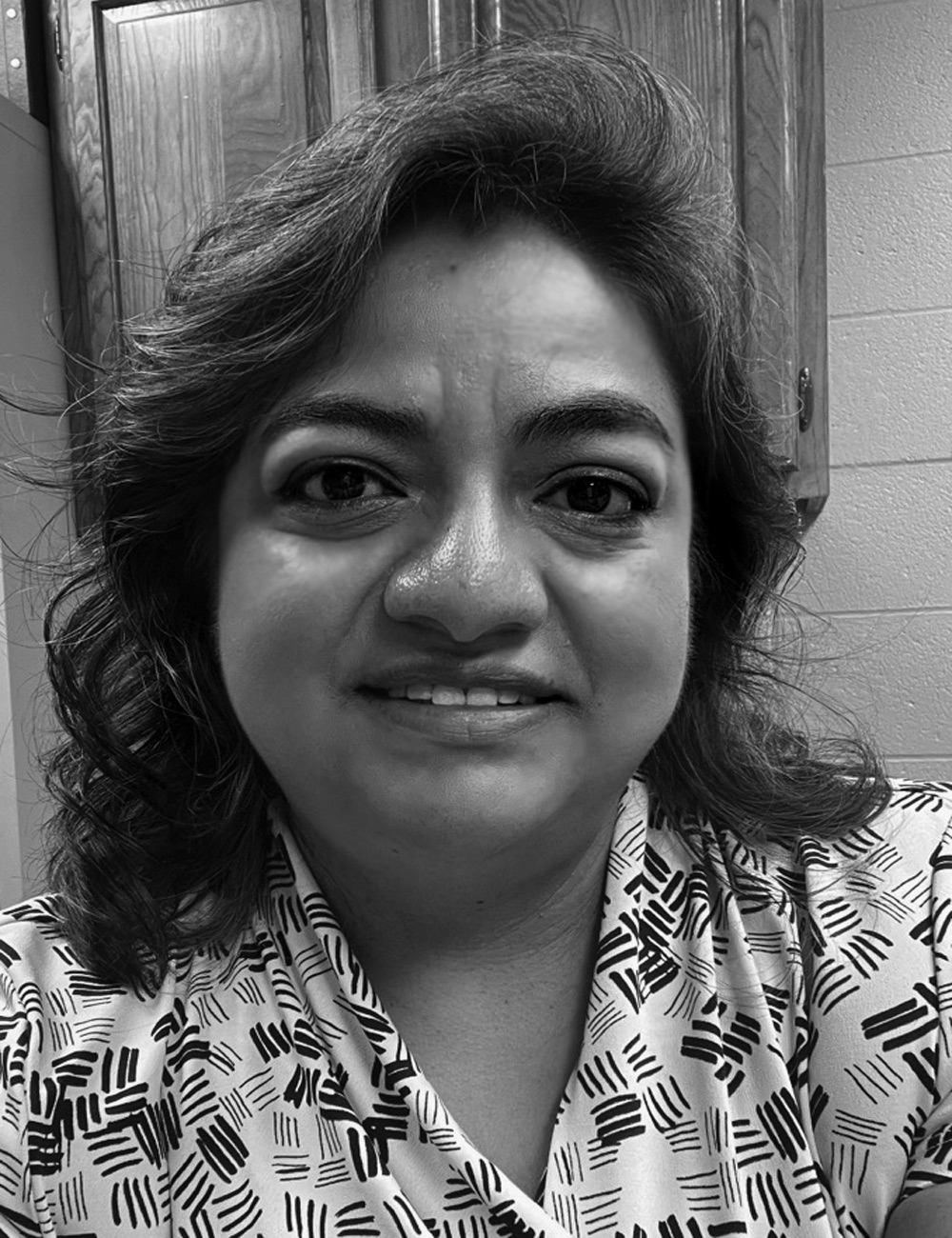
Karen Pren is a survey methodologist for the Houston Population Research Center at Rice University. Previously she worked as the project manager for Mexican Migration Project (MMP) and the Latin American Migration Project (LAMP).
How did you decide this was the career path for you?
During my undergraduate studies at Middlebury College, I took a course in medical geography, where I was captivated by the ways geographers study population and health. This inspired me to major in geography, and I immersed myself in courses on both physical and human geography. As I progressed, I found myself particularly drawn to human geography, with a special focus on population geography. In one seminar, I read Return to Aztlan, a book that used data gathered by surveys to examine Mexico-U.S. migration, and it was a pivotal moment—I decided to center all my research papers on Mexico-U.S. migration.
While researching, I frequently encountered the work of Douglas S. Massey, a leading scholar in the field. Learning he was teaching at the University of Pennsylvania, I applied to a Post-BA program at the Population Studies Center, expressing my desire to work with him. During my Post-BA year, I had the opportunity to take one of his classes, where I first connected the historical context to current migration patterns. This experience solidified my decision to pursue demography at UPenn.
How did you get to where you are in your career and what do you recommend to current students who are interested in a similar career path?
I received an M.A. in Demography at UPenn, where I worked first as a research assistant and then as a research specialist for the Mexican Migration Project (MMP) and the Latin American Migration Project (LAMP). After two years, I was promoted to Project Manager. As the MMP is a binational project, I had the opportunity to work closely with Jorge Durand, the project’s co-PI, who invited me to observe the MMP’s fieldwork in Mexico.
This role opened doors to teaching summer courses at various universities in Mexico, where I trained students in migration analysis using MMP and LAMP datasets. My deepening familiarity with these datasets led to co-authorship opportunities on research articles. Serving as project manager was invaluable training, and I embraced every aspect as a step toward growing my skills in research, writing, and data management.
My advice to others is to always keep learning and never hesitate to ask questions. Build strong relationships with your professors, who will be crucial allies and advocates in your career. Learn as much as you can from them—they’re there to help guide your journey.
Describe some of your work. What do you consider to be your most important accomplishment(s)?
My work has primarily focused on studying Mexican immigration patterns and how they have changed over time in response to U.S. policies. In my years with the MMP, I coauthored 13 peer-reviewed publications that shaped scholarly and public understanding to dispel myths about processes of documented and undocumented migration from Mexico to the United States. For example, a 2016 paper published in the American Journal of Sociology (the field’s leading journal) showed that heightened border enforcement backfired. It did not halt unauthorized out-migration from Mexico. Instead, it reduced return migration back to Mexico, thereby increasing the net inflow of undocumented migrants to accelerate undocumented population growth. In 2018, the MMP received the Bronislaw Malinowski Award from the Society for Applied Anthropology in recognition of its efforts “to understand and serve the needs of the world using social science.” I am proud to have contributed to the receipt of this award. In Massey’s words, I “had become the most knowledgeable person about the MMP as a whole.”
What do you see as the field’s most important contribution as well as its greatest challenge?
Demography as a whole, and migration studies in specific, has offered invaluable insights into population changes, social dynamics, and economic impacts shaped by migration. By examining how immigration influences birth rates, age structures, and labor force composition, the field helps policymakers design programs and policies that account for changing demographic landscapes. For instance, understanding migration flows and integration patterns helps address issues like labor shortages, support for aging populations, and resource allocation in public services. Furthermore, immigration demographers provide data-driven insights into the social and economic contributions of immigrants, dispelling myths and biases that can surround migration topics.
One of the field’s greatest challenges is effectively studying migration patterns in an era of rapid geopolitical shifts and global crises. Changing immigration policies, climate migration, and the increasing displacement due to conflict and environmental disasters require flexible and innovative research methodologies. Additionally, researchers often face data limitations—particularly with undocumented populations—which can hinder the accuracy and comprehensiveness of migration studies. Balancing the demand for timely data with ethical considerations around privacy and security of immigrant communities is another ongoing challenge.
Migration studies is the lens through which we can understand one of the most dynamic forces shaping societies today—migration. As a demographer, you won’t just be studying numbers; you’ll be at the heart of questions that influence social policy, shape economies, and define cultural identities. This field offers you the chance to combine rigorous quantitative skills with a mission-driven purpose to better understand human mobility and its profound impact. If you’re passionate about using data to inform real-world solutions and want a career that intersects with sociology, economics, and public policy, demography offers a rewarding, impactful path forward. The blend of empirical research and real-world relevance makes migration studies and demography a compelling and meaningful field for those eager to influence change at both local and global levels.
Daniela Chacón-Arias
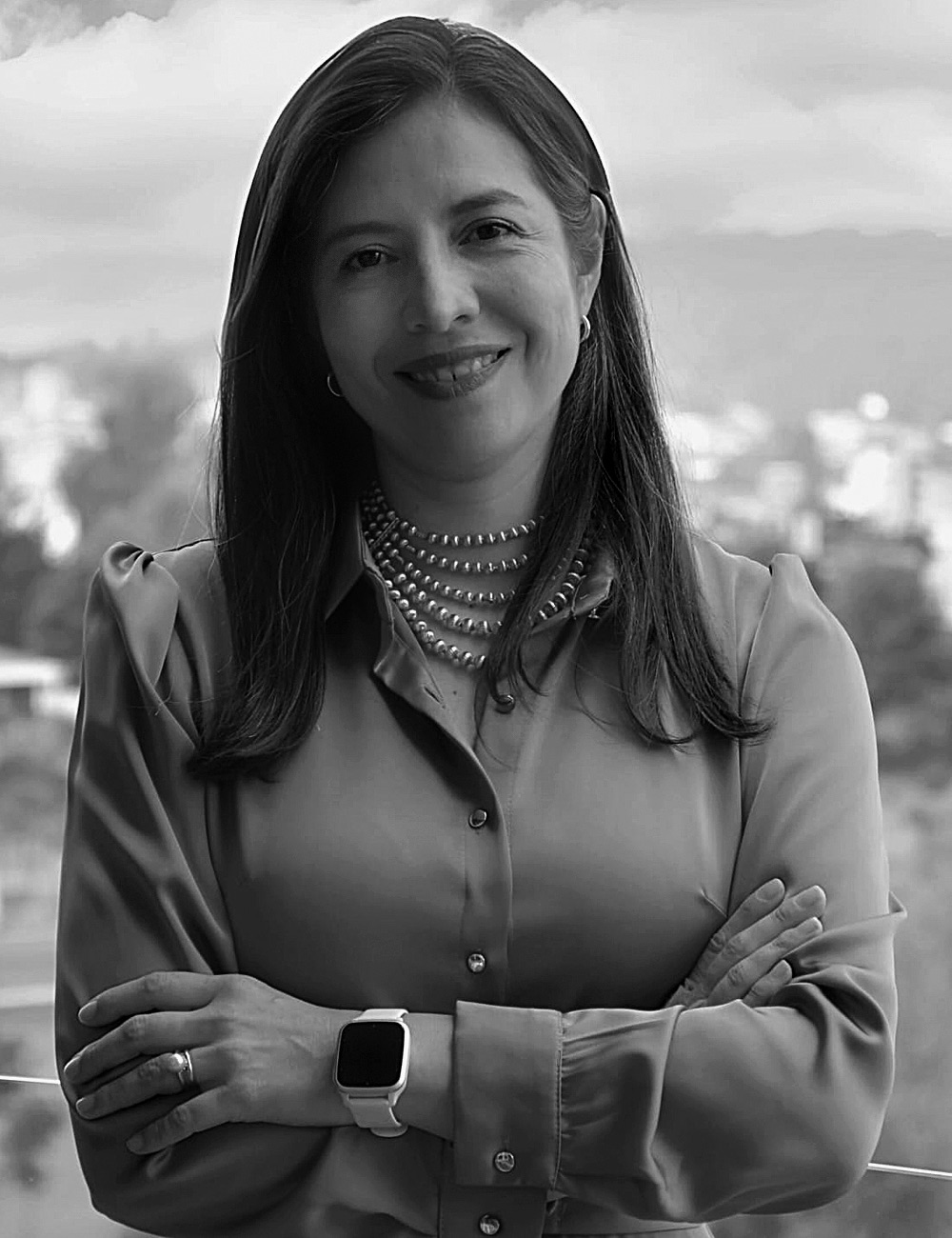
Daniela Chacón-Arias is executive director and co-founder of the urban community development nonprofit TANDEM and an attorney.
How did you decide this was the career path for you?
I didn’t really know I was working in a population-related career until a few years ago. It all started with an opportunity to work for a nonprofit that collaborated with the city of Denver to recover public spaces through artistic interventions. I became fascinated with the interactions people had with public spaces and how these impact their daily life. Then, I became city councilor and vice mayor of Quito, the capital of Ecuador. In that position, I was continuously in contact with people and their experiences in the city. I remember I wanted to propose an ordinance to improve the public transportation system but knew I needed to understand how people moved, so I decided to travel with different people in the city to get a sense of their daily travels. People started contacting me via Facebook and inviting me to their daily routes. I learned so much in that process—traveled almost the whole city from different points, met amazing people, and was humbled by their experiences.
When I finished my term, I wanted to continue to work on issues related to cities and its inhabitants, so I co-founded an NGO, TANDEM, that studies cities. We study cities because that is where people live. We are interested in the quality of life of people in their cities and how, by understanding the data and the trends, we can influence policy. One of our programs, Quito Cómo Vamos, is dedicated solely to that.
How did you get to where you are in your career and what do you recommend to current students who are interested in a similar career path?
I am a lawyer, with a JD from University San Francisco de Quito in Ecuador, and I have an MPA from The George Washington University where I attended on a Fulbright Scholarship. Since I was in high school, I knew I wanted to pursue a career where I could serve the public. Back then, I thought that electoral politics was my path, and I decided to search for a political party that would represent my ideas and wishes for my country. I already had my experience working for the municipality of Denver, and I was starting to see a career path on city issues.
So, I founded a new political party with mainly young people, and I started working for them without payment as a researcher. I quickly started to meet with stakeholders and develop policy proposals and eventually drafted the policy agenda of the candidate for mayor of Quito for the 2014 elections. Colleagues encouraged me to run for political office, and I was elected to the city council for the 2014–2019 term. I was appointed vice mayor for the 2014–2016 period. When I finished my term, I realized that politics was not my path to public service and also knew I couldn’t work as a lawyer or a political consultant. Since my passion is in public service, especially at the city level, I decided to start a nonprofit organization to continue to work with people and cities from a civil society standpoint.
What I recommend to students is to find what you are passionate about. It doesn’t necessarily come easily or fast; for me, it was more part of my process of finding how to serve the public. I had to go through many awful and boring jobs—but always with my objective in mind and understanding that every step was part of my path. Be proactive in the search for what makes you passionate and committed, and don’t be afraid of taking risks. You can calculate your risks and assess whether you are in a position to take one. When I decided to leave my high paid political consultant job in the private sector to volunteer in a political party and then run for city council, it was a risk, but I knew I could afford it and I wasn’t wrong. That decision took me to where I am now.
What do you consider your most important accomplishment(s)?
As city councilor and vice mayor, I created Quito’s program to prevent and respond to sexual harassment cases in the public transportation system, which is still operating ten years later. I promoted legislation on sustainable mobility that is used now by activists to fight for their rights for a less car-centric city, more investment in pedestrians, cycling, and road safety. I implemented several participatory interventions in public spaces that continue to be part of the neighborhoods where they were implemented.
Now, as co-founder and executive director of TANDEM, I am happy to say that we have been able to grow our nonprofit from 2 people in 2019 to 9 people in 2024. We have worked in 15 different cities in Ecuador. We have helped community organizations in several cities successfully advocate for legislation and policies to reduce gender based-inequities and violence, as well as improve access for more meaningful participation by citizens. The data that we gather and produce has been used by several municipalities for their decision-making processes, such as urban plans and ordinances.
What do you see as the field’s most important contribution as well as its greatest challenge?
It is very important to understand the people whom we serve. Population-based research and data help the public and decision makers to better comprehend people’s lives, problems, aspirations and relationships. This information needs to be part of how all stakeholders are talking, making decisions and giving opinions. Evidence-based policy making is an obligation that we all should demand of our representatives.
Jennell L. Hicks
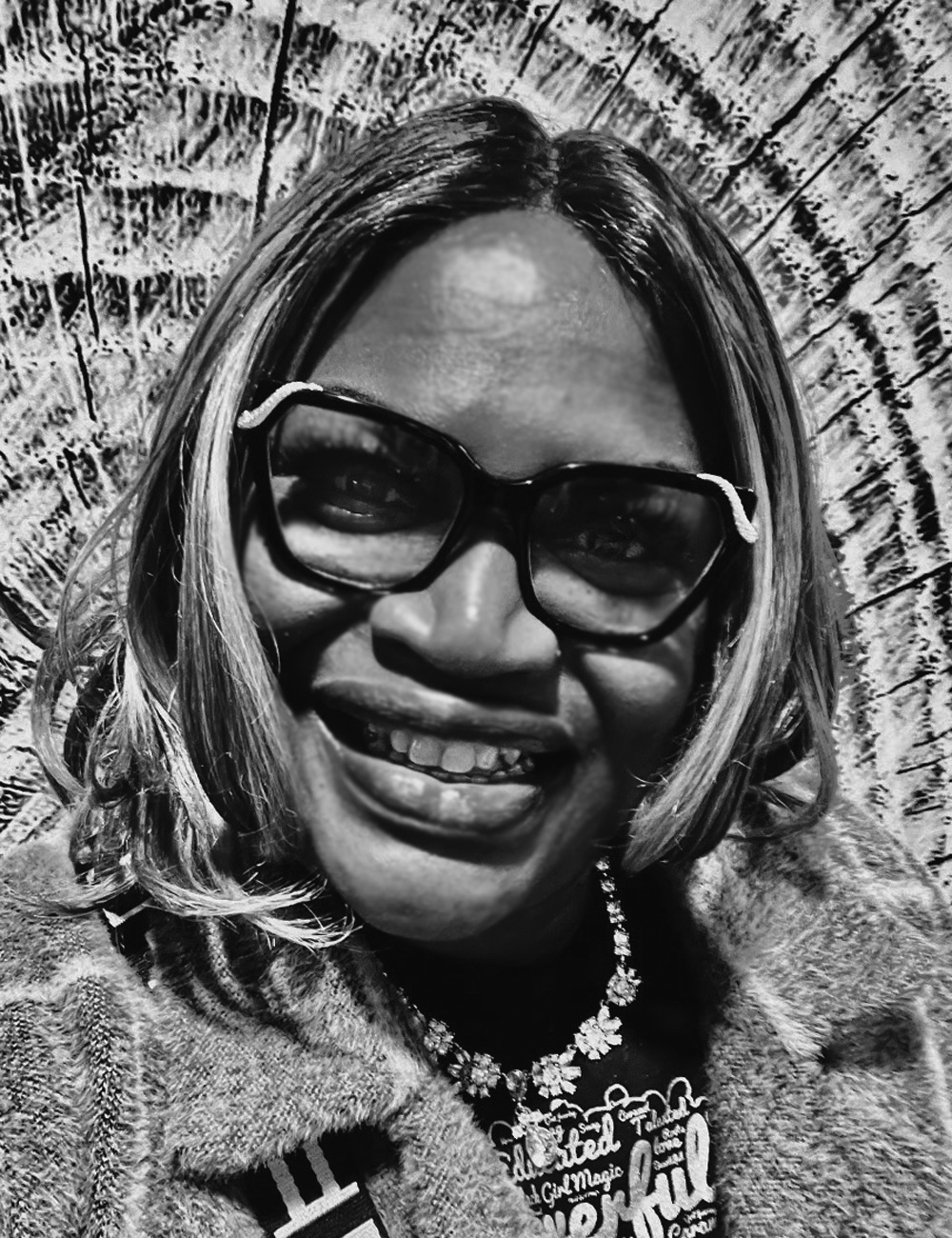
Jennell L. Hicks is a community partnerships manager for the Office of Equity & Community Partnerships in Public Health—Seattle & King County, Washington State.
How did you decide this was the career path for you?
I was in college after being laid off from a management position running a for-profit dental clinic. I had worked my way up; I had no formal education as a manager. I wanted to work somewhere that helped people, rather than working in a for-profit setting. I went back to school to brush up on my computer skills to become an administrative assistant. I was fortunate to get a job as a work-study intern at the Seattle Public Health Department. I worked with the division director, who quickly took an interest in my career and became my mentor. He gave me assignments that were at a management level and encouraged me to take the internal King County opportunities.
When his assistant left, he appointed me to her position, which gave me a permanent status at the health department. There was a reorganization, and his position was eliminated—I was an assistant to no one. One of my managers suggested I apply for a position in the community that looked like a good fit. I was hired for a job, and I fell in love with community work and helping people. I signed clients up for Medicaid, Basic Food benefits, and Utility Discount Program, and WIC (Women Infants and Children’s Food Programs).
How did you get to where you are in your career and what do you recommend to current students who are interested in a similar career path?
I took advantage of every training opportunity in addition to my formal education. I attended Seattle Central Community College. After receiving an associate’s degree in business, I transferred to Seattle University and majored in public administration. Although I struggled with calculus even with tutoring, public administration made sense to me. Since I was already working at the health department, my bachelor’s in public administration turned out to be a good match.
Then I decided I wanted to become a social worker. The University of Washington offers a Child Welfare Training and Partnership (CWTAP) program. As a registered counselor, I worked with Dr. Carmela Washington Harvey, who trained, mentored, and supervised me. (I met her while selling her Mary Kay, another side hustle!) I was a single parent with three kids while in college. She convinced me I could be one of her therapists. I never doubted other people’s belief in me, even when I did not believe in myself; I borrowed their belief in me until I built my confidence.
I have since taken many roles in public health and I have also been a community health worker, social worker, project manager in homeless services, and program manager of training and capacity building. When COVID came, I took on issues of racial equity in the COVID response. I worked with Health Care for the Homeless to ensure that folks living in shelters and on the streets received access to vaccinations.
I advise folks to take advantage of free learning opportunities. Many classes are free on Eventbrite and through Worksource Centers throughout King County. I spend lots of time on boards and at community events, networking and making connections. If you want to be in public health, show up where people are, see what they do. Volunteer if time allows or seek work-study jobs in the system. I recommend hanging on the Public Health Jobs website. Review the requirements for different positions. Ask to do informational interviews to learn more, as people love to talk about what they do. Subscribe to public health newsletters and keep track of what is in the news. This will put you a step ahead and give you insight into public health matters.
What do you consider your most important accomplishment?
I feel my most important accomplishments involve equity and social justice. I have received an award of excellence for my work on the Employee-Based Equal Opportunity Commission. I have helped thousands of people through direct services and policy work; these are the proudest moments in my life. I speak and use my voice in every room I am in. I am not silent when I need to speak. I am intentionally fighting from the seats I occupy. I also work to bring folks with me.
What do you see as the field’s most important contribution as well as its greatest challenge?
Public health is clean water, clean air, and safe food. Our mission is to ensure that our people receive the best service and that our preventative, educational, and direct service programs are based on the best research. We have doctors, dentists, social workers, interpreters, and a language access staff to ensure all people are served in the community. We recently hired a staff member who educates the department on disability—teaching our internal community how to make King County a place where everyone belongs. But in our current climate, budget cuts and politics are harming public health. There is a federal lack of understanding of how essential public health is to society. (Note: This is my personal view; it does not represent those of my employer). The current climate of uncertainty has staff and clients feeling anxious everywhere I go. People are asking what is going to happen, and it changes day to day. There is a definite fight for power and resources over everything. But I believe that public health provision contributes to the overall well-being of society by focusing on making sure everyone has a fighting chance to be their best. The focus on equity and social justice is one of the greatest assets in public health work.